






 March 9, 2026
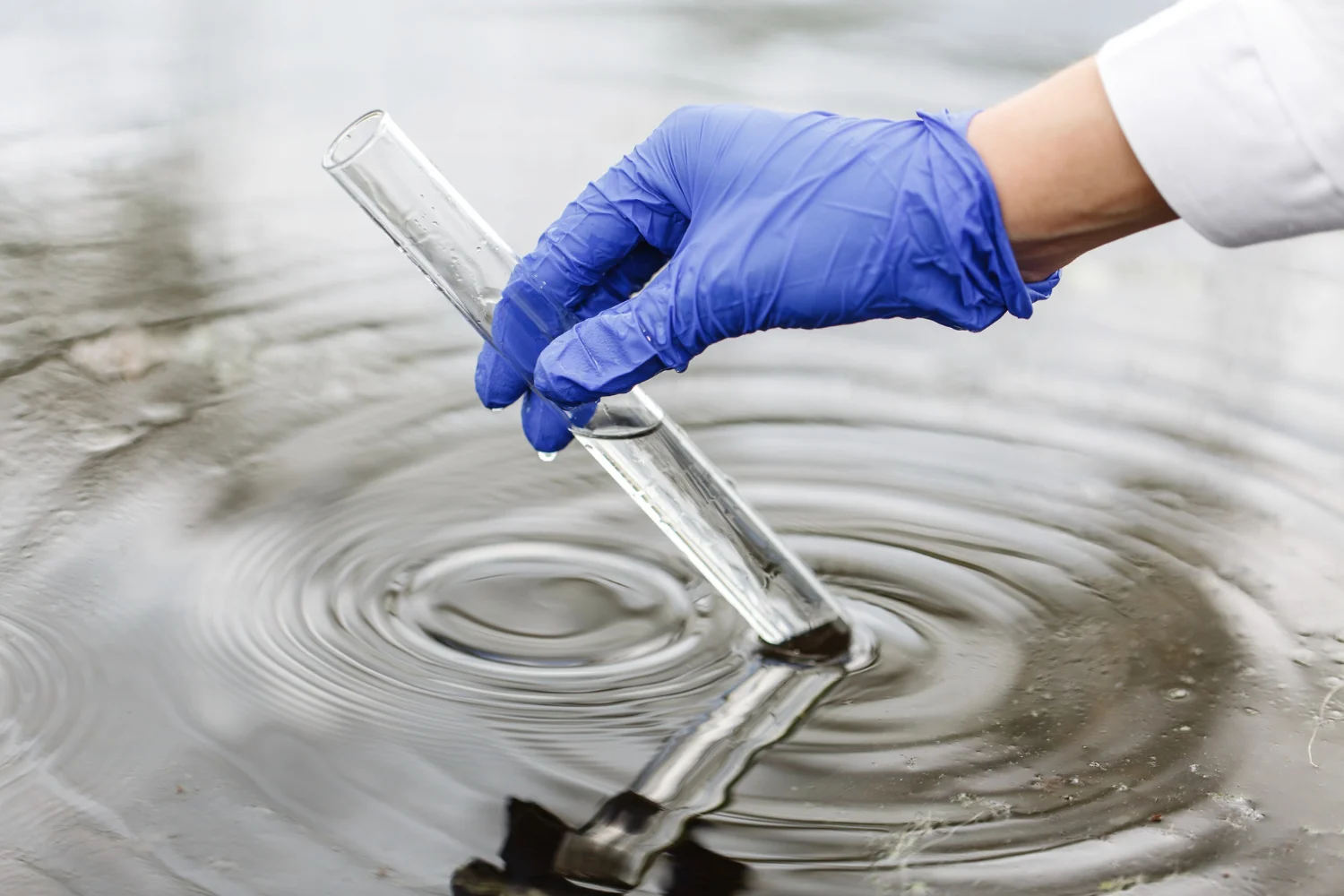
Water is one of the most important resources in agriculture. Farmers often focus on soil health, fertilizers, and crop varieties, but the quality of irrigation water is frequently overlooked. Poor water quality can silently reduce crop yield, damage soil structure, and limit plant growth. On the other hand, good quality irrigation water can significantly improve crop productivity and plant health.
Water quality testing helps farmers understand what is present in their irrigation water. By identifying minerals, salts, pH levels, and contaminants, farmers can make better decisions about irrigation practices and nutrient management. In many cases, simply improving water quality management can dramatically increase crop yield.
Water quality testing is the process of analyzing water to determine its chemical, physical, and biological characteristics. In agriculture, it mainly focuses on factors that influence plant growth and soil health. These include pH levels, electrical conductivity, dissolved salts, minerals, and harmful substances.
Testing irrigation water allows farmers to detect problems early. If water contains excessive salts or harmful chemicals, it can damage crops over time. By knowing the exact composition of water, farmers can take corrective steps before crops are affected.
Several important parameters are analyzed during water testing. These factors directly impact soil fertility and plant growth.
Understanding these factors helps farmers maintain the right balance for healthy crop development.
Low-quality irrigation water can cause several problems in farming. High salt levels can accumulate in the soil, making it difficult for plants to absorb water and nutrients. Excess sodium can damage soil structure, reducing its ability to retain moisture and nutrients.
Over time, poor water quality leads to stunted plant growth, reduced flowering, lower fruit production, and overall yield loss. Many farmers experience declining harvests without realizing that irrigation water is the root cause.
Regular water testing provides valuable insights that can help farmers improve irrigation management and crop production. When farmers understand their water source, they can choose the right fertilizers, adjust irrigation schedules, and prevent soil damage.
By monitoring water quality, farmers can prevent problems before they become severe and costly.
When irrigation water is properly tested and managed, crops receive the right balance of nutrients and moisture. This creates ideal growing conditions that allow plants to reach their full potential.
Farmers who regularly test and manage water quality often see stronger plant growth, improved flowering, and higher fruit or grain production. Healthy soil combined with good water quality creates an environment where crops can thrive.
To make the most of irrigation water, farmers should adopt regular testing and monitoring practices. Testing water at least once or twice a year can help detect changes and prevent potential problems.
These simple practices can significantly improve farming efficiency and crop performance.
Water quality is a critical but often overlooked factor in agriculture. While fertilizers and seeds receive a lot of attention, irrigation water plays an equally important role in determining crop success. Regular water quality testing helps farmers understand what they are giving to their crops and how it affects soil health.
By managing irrigation water properly, farmers can prevent soil damage, improve plant growth, and significantly increase crop yields. In many cases, understanding water quality can be the hidden key to doubling harvest and achieving sustainable agricultural success.
We make it our business to advance your business. Get in touch to find out more.
ANBR ELIXIR PVT LTD
PLOT NO. 5144, NEAR PRIME INDUSTRIES, SEVEN WATER TANK ROAD,
NEAR PARAS CHOWKDI, G.I.D.C. INDUSTRIAL ESTATE,
ANKLESHWAR – 393 002.
DIST. BHARUCH, GUJARAT
ANBR ELIXIR PRIVATE LIMITED
Plot No. 10008-3, Near BEIL,
GIDC, Ankleshwar,
Dist :-Bharuch, 393002, Gujarat