





ourcatelog
img img img

Our Blog

blog leaf blog leaf blog leaf
BIO FERTILIZER

Why Water Quality Testing Is Essential for Modern Agriculture

calendar December 15, 2025

blog

Why Water Quality Testing Is Essential for Modern Agriculture

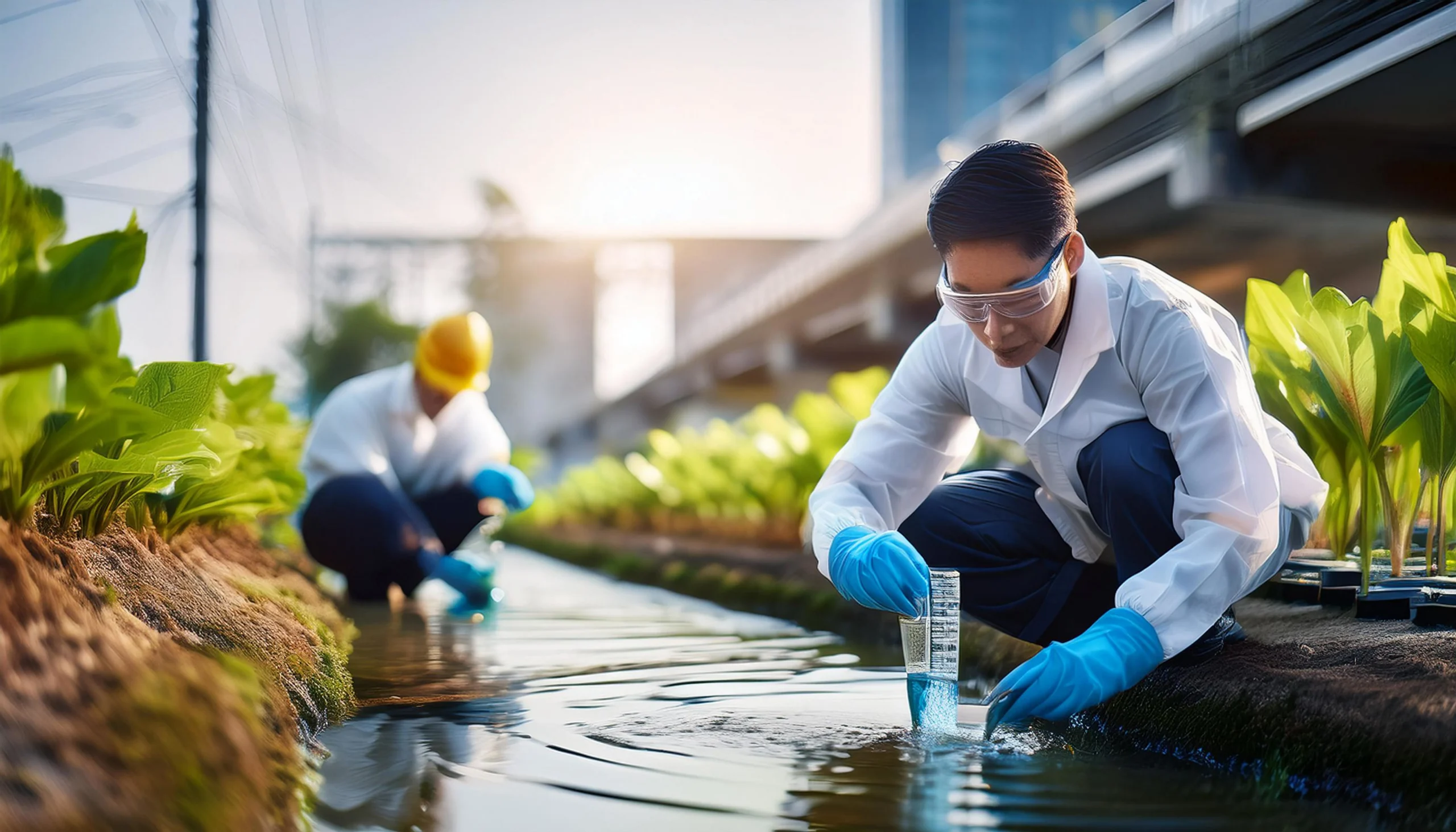
Water is one of the most valuable resources in agriculture. The quality of water used for irrigation directly affects soil health, seed germination, and overall crop productivity. With increasing pollution, chemical runoff, and groundwater contamination, water testing has become essential for modern farming. It helps farmers ensure that their crops receive clean and safe water for optimal growth.

What Is Water Quality Testing?

Water quality testing is the process of analyzing water to check its chemical, physical, and biological properties. It helps identify harmful substances, nutrient levels, salinity, and pH balance. This information guides farmers in selecting the right irrigation methods and maintaining healthy crops.

Why Water Quality Matters in Agriculture

  • Water affects how nutrients are absorbed by plants.
  • Poor-quality water can damage crops and reduce yield.
  • Contaminated water introduces harmful salts and chemicals into soil.
  • Waterborne diseases can affect plant health.
  • High salinity levels can reduce soil fertility over time.

Common Problems Found in Irrigation Water

  • High Salinity: Excess salts block nutrient uptake and stunt plant growth.
  • High pH Levels: Affects nutrient availability and soil structure.
  • Chemical Contaminants: Industrial waste, fertilizers, and pesticides can harm crops.
  • Biological Contamination: Bacteria and microorganisms may damage plant roots.
  • Heavy Metals: Elements like lead, arsenic, or mercury can accumulate in soil.

Benefits of Water Quality Testing for Farmers

  • Healthy Crop Growth: Clean water improves germination and plant development.
  • Better Yield: Good water quality ensures balanced nutrient absorption.
  • Reduced Risk of Soil Damage: Testing prevents long-term soil degradation.
  • Effective Fertilizer Use: Farmers can adjust fertilizer quantities based on water quality.
  • Cost Savings: Avoiding crop losses and unnecessary treatments saves money.

What Should Farmers Test in Irrigation Water?

  • pH level (acidity or alkalinity)
  • Electrical conductivity (EC)
  • Salinity levels
  • Nutrient content (nitrates, phosphates, etc.)
  • Presence of heavy metals
  • Bacterial contamination
  • Hardness and mineral content

How Often Should Water Be Tested?

Farmers should test irrigation water at least once or twice a year. Areas with industrial activity, sewage discharge, or saline groundwater should test more frequently to avoid crop damage.

Conclusion

Water quality testing is no longer optional in modern agriculture. It protects crops, maintains soil health, and helps farmers make smarter irrigation decisions. With clean and balanced water, farmers can significantly improve crop quality and achieve sustainable farming for future generations.

    Contact Us

    We make it our business to advance your business. Get in touch to find out more.

    Corporate office

    ANBR ELIXIR PVT LTD
    PLOT NO. 5144, NEAR PRIME INDUSTRIES, SEVEN WATER TANK ROAD,
    NEAR PARAS CHOWKDI, G.I.D.C. INDUSTRIAL ESTATE,
    ANKLESHWAR – 393 002.
    DIST. BHARUCH, GUJARAT


    factory address

    ANBR ELIXIR PRIVATE LIMITED
    Plot No. 10008-3, Near BEIL,
    GIDC, Ankleshwar,
    Dist :-Bharuch, 393002, Gujarat