






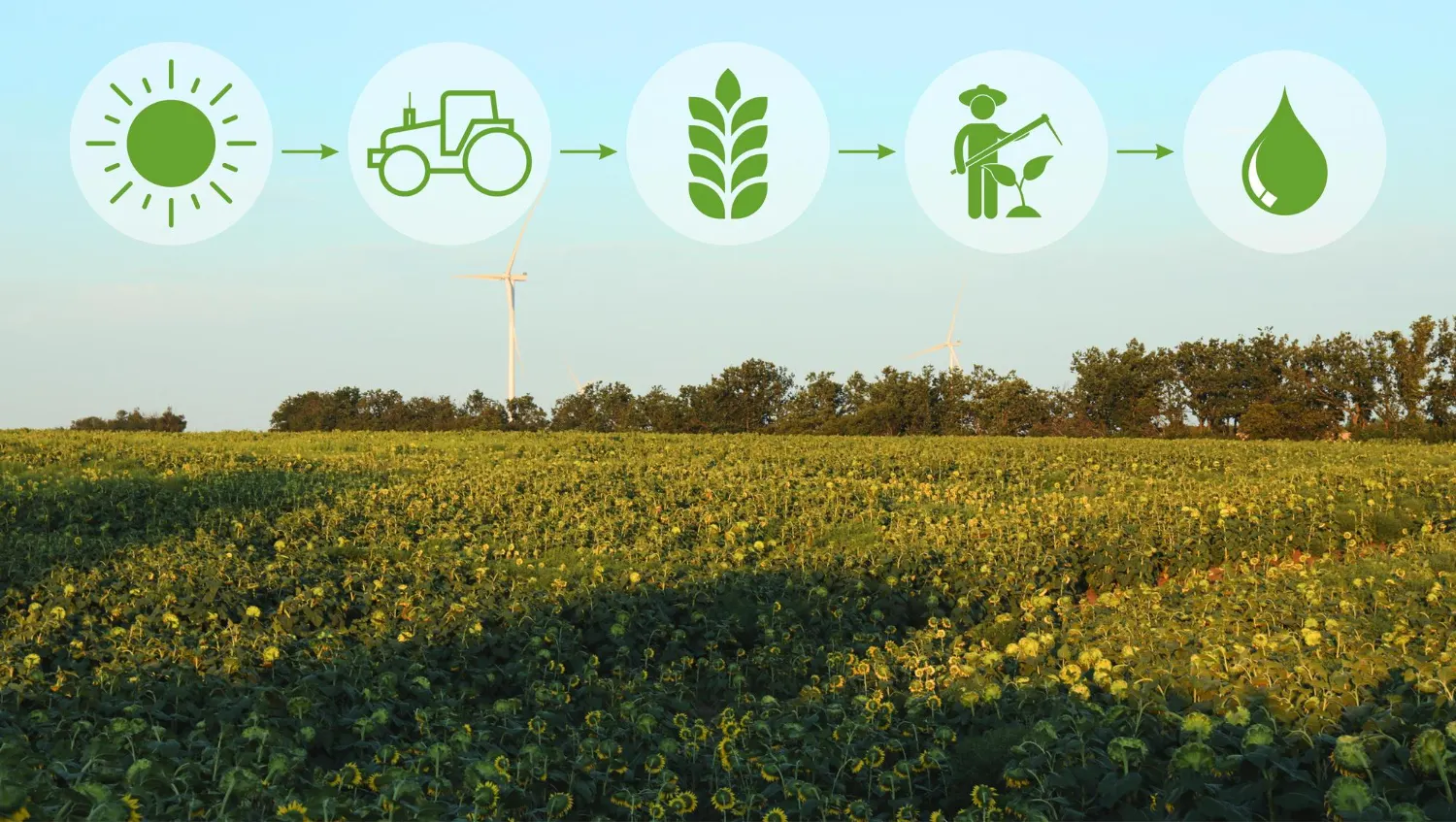
Agriculture is the backbone of human survival, but modern farming practices have put immense pressure on the environment. Issues like soil degradation, water scarcity, and climate change are growing rapidly. This is where sustainable agriculture comes into the picture.
Sustainable agriculture is not just a farming method—it is a long-term approach to producing food while protecting the environment, supporting farmers, and ensuring future generations can meet their needs.
Sustainable agriculture is a farming system that focuses on growing crops and raising livestock in a way that maintains soil health, conserves water, reduces pollution, and supports biodiversity.
It aims to balance three main goals:
In simple terms, sustainable agriculture means farming in a way that is good for the planet, profitable for farmers, and safe for consumers.
Healthy soil is the foundation of sustainable farming. Practices like crop rotation, composting, and reduced chemical use help maintain soil fertility.
Efficient irrigation methods such as drip irrigation and rainwater harvesting reduce water wastage and improve crop productivity.
Growing a variety of crops and preserving natural habitats helps maintain ecological balance and reduces pest problems.
Minimizing synthetic fertilizers and pesticides lowers environmental pollution and improves food quality.
Sustainable agriculture reduces greenhouse gas emissions and helps farmers adapt to climate change.
With the global population increasing, the demand for food is higher than ever. Sustainable agriculture ensures long-term food security without damaging natural resources.
Conventional farming methods often harm the environment. Sustainable farming practices help reduce soil erosion, water pollution, and loss of biodiversity.
Agriculture both affects and is affected by climate change. Sustainable agriculture helps reduce carbon emissions and makes farms more resilient.
Reducing chemical inputs leads to safer and healthier food production for consumers.
Sustainable farming methods can lower input costs and improve long-term productivity, benefiting farmers financially.
These methods help in maintaining a balance between productivity and environmental care.
While sustainable agriculture has many benefits, it also faces some challenges:
However, with proper education and government support, these challenges can be overcome.
Sustainable agriculture is essential for building a better future. It not only protects the environment but also ensures food security and supports farmers’ livelihoods. In today’s world, where natural resources are depleting rapidly, adopting sustainable farming practices is no longer optional—it is necessary.
By choosing sustainable agriculture, we are investing in a healthier planet and a more secure future for generations to come.
To produce food while protecting the environment and ensuring long-term farming viability.
Yes, sustainable agriculture can be profitable in the long run by reducing costs and improving soil health.
Yes, many sustainable farming practices are suitable and beneficial for small-scale farmers.
We make it our business to advance your business. Get in touch to find out more.
ANBR ELIXIR PVT LTD
PLOT NO. 5144, NEAR PRIME INDUSTRIES, SEVEN WATER TANK ROAD,
NEAR PARAS CHOWKDI, G.I.D.C. INDUSTRIAL ESTATE,
ANKLESHWAR – 393 002.
DIST. BHARUCH, GUJARAT
ANBR ELIXIR PRIVATE LIMITED
Plot No. 10008-3, Near BEIL,
GIDC, Ankleshwar,
Dist :-Bharuch, 393002, Gujarat



 April 16, 2026