






 January 22, 2026
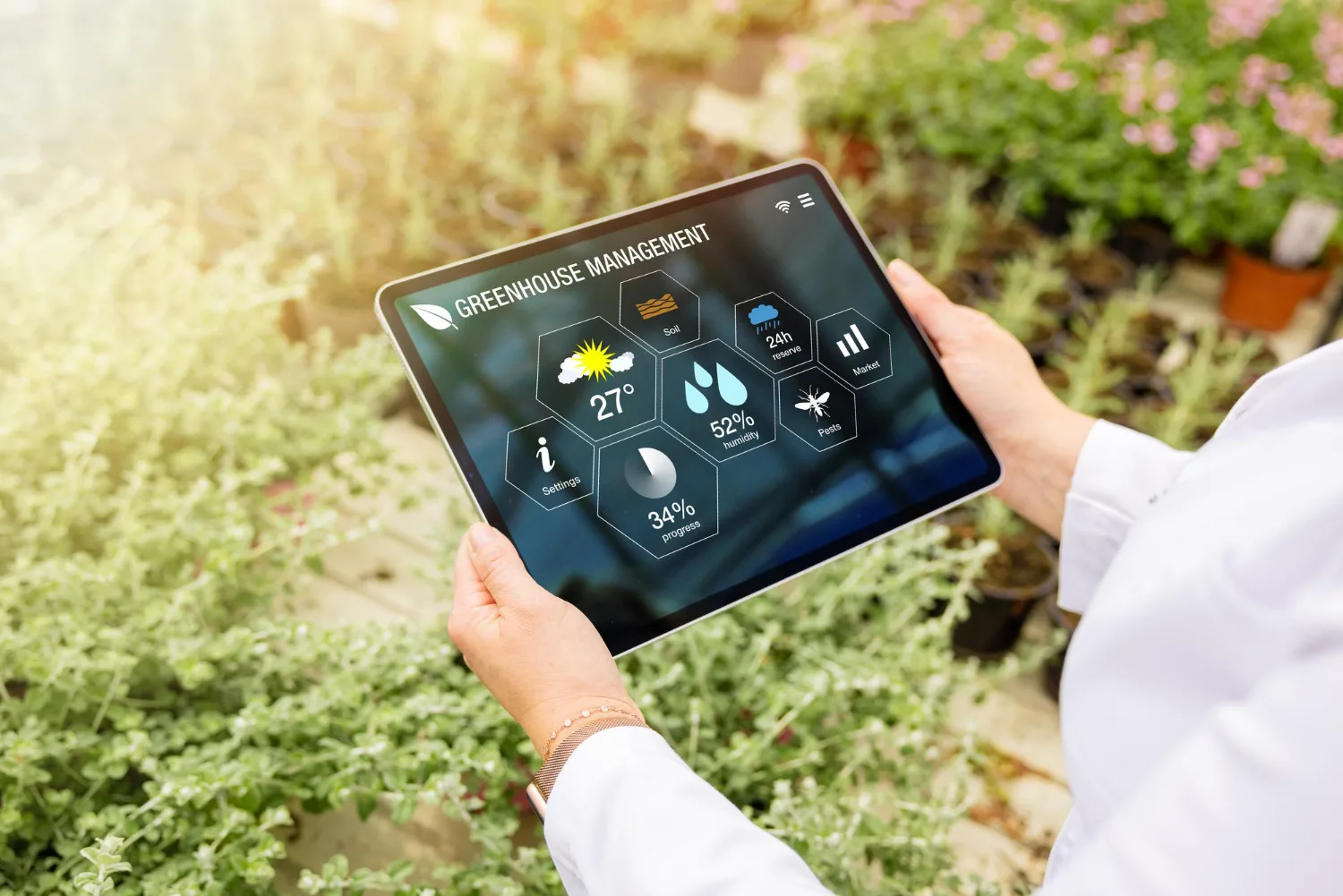
Agriculture is standing at a critical crossroads. Climate change, water scarcity, soil degradation, rising input costs, and increasing global food demand are forcing farmers and governments to rethink traditional farming methods. As we move toward 2026, the focus is shifting from high-output, resource-heavy agriculture to sustainable farming practices that balance productivity with environmental responsibility.
The future of farming is not just about growing more food—it is about growing food smarter, cleaner, and more efficiently. Advances in technology, data science, and ecological understanding are driving innovative farming techniques that promise long-term sustainability, profitability, and resilience.
This in-depth guide explores the top 5 innovative sustainable farming techniques for 2026, explaining how they work, why they matter, and how they are shaping the future of global agriculture.
Sustainable farming is no longer a choice—it is a necessity.
According to global agricultural agencies like Food and Agriculture Organization, food production must increase by nearly 60% by 2050—without destroying ecosystems. This is only possible through innovative sustainable agricultural techniques.
Precision agriculture uses advanced technologies such as GPS, IoT sensors, drones, and AI to monitor and manage crops with extreme accuracy. Instead of treating entire fields uniformly, inputs are applied only where and when needed.
By 2026, smart farming technology will become more affordable, making precision agriculture accessible to small and medium farmers, delivering higher profits with lower environmental impact.
Vertical farming involves growing crops in stacked layers, often indoors, using controlled environments. It typically relies on hydroponics, aeroponics, or aquaponics instead of soil.
With rapid urbanization, vertical farming will play a major role in ensuring urban food security by 2026, especially in regions facing land scarcity and water stress.
Regenerative agriculture focuses on restoring and enhancing soil health rather than depleting it. It works with natural ecosystems instead of against them.
Healthy soil stores more carbon, retains more water, and produces more nutritious crops. Regenerative farming also helps combat climate change by acting as a carbon sink.
By 2026, governments and climate-focused investors are expected to strongly support regenerative agriculture.
Agriculture consumes nearly 70% of global freshwater. Inefficient irrigation remains a major source of water waste.
Smart irrigation systems use sensors, weather data, and automation to deliver precise water quantities based on real-time crop needs.
By 2026, water-efficient farming will be essential, particularly in drought-prone regions.
Agroforestry integrates trees, crops, and sometimes livestock on the same land, mimicking natural ecosystems while producing food, timber, and other resources.
Agroforestry is one of the most climate-resilient farming systems, making it a cornerstone of sustainable agriculture in 2026.
Governments, agritech startups, and global organizations are investing heavily in sustainable agriculture solutions.
By 2026, declining technology costs and stronger policy support are expected to overcome these barriers.
The future of agriculture is innovative, intelligent, and sustainable. Farmers who adopt precision agriculture, vertical farming, regenerative practices, smart irrigation, and agroforestry will thrive.
By 2026, farming will no longer be defined by how much land or water you use—but by how intelligently you use them. Sustainable farming techniques are the key to feeding the future without harming the planet.
In today’s competitive global market, B2B manufacturing is about building strategic partnerships that drive efficiency, scalability, and long-term growth. Choosing the right contract manufacturing partner is a critical business decision.
This guide explains how to choose the right partner, covering evaluation criteria, red flags, best practices, and future-ready strategies for 2026 and beyond.
Contract manufacturing is a model where a company outsources production to a third-party manufacturer while retaining brand ownership and intellectual property.
Choosing the right contract manufacturing partner is a long-term strategic decision. The right partner does not just manufacture products—they help manufacture your success.
We make it our business to advance your business. Get in touch to find out more.
ANBR ELIXIR PVT LTD
PLOT NO. 5144, NEAR PRIME INDUSTRIES, SEVEN WATER TANK ROAD,
NEAR PARAS CHOWKDI, G.I.D.C. INDUSTRIAL ESTATE,
ANKLESHWAR – 393 002.
DIST. BHARUCH, GUJARAT
ANBR ELIXIR PRIVATE LIMITED
Plot No. 10008-3, Near BEIL,
GIDC, Ankleshwar,
Dist :-Bharuch, 393002, Gujarat