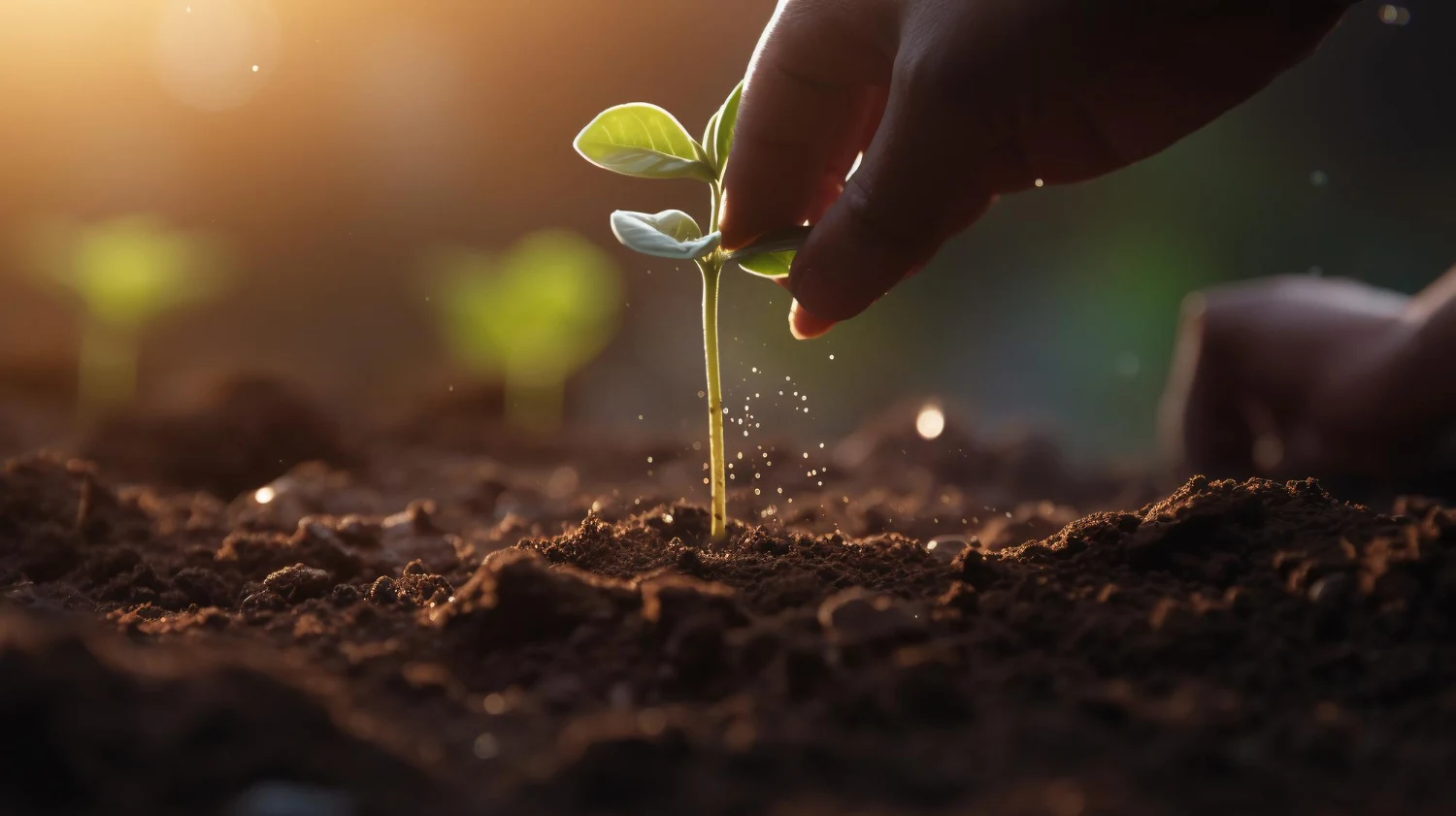
How to Choose the Right Fertilizer for Your Crops in India
India is an agriculture-driven country where crop productivity directly impacts food security, farmer income, and the national economy. With diverse soil types, climatic conditions, and cropping patterns, choosing the right fertilizer is one of the most critical decisions a farmer can make.
Using the wrong fertilizer or applying it incorrectly can lead to poor crop growth, low yields, soil degradation, and unnecessary expenses. In contrast, the right fertilizer, applied at the right time and in the right quantity, significantly improves crop health and yield.
Why Choosing the Right Fertilizer Matters
Fertilizers supply essential nutrients required for plant growth, development, and yield formation. Indian soils often suffer from nutrient deficiencies due to:
- Continuous cropping
- Imbalanced fertilizer use
- Soil erosion
- Overdependence on chemical fertilizers
Proper fertilizer selection helps to:
- Improve crop yield and quality
- Maintain soil fertility
- Reduce input costs
- Prevent nutrient deficiencies
- Support sustainable farming
Understanding Soil Health Before Choosing Fertilizer
Importance of Soil Testing
Soil testing is essential before fertilizer selection. It reveals:
- Nutrient deficiencies
- Soil pH (acidic, neutral, alkaline)
- Organic matter content
Without soil testing, fertilizer application becomes guesswork and may cause nutrient imbalance.
Common Soil Types in India
- Alluvial soils (North India)
- Black soils (Deccan Plateau)
- Red soils (South and East India)
- Laterite soils (Coastal regions)
- Desert soils (Rajasthan)
Essential Nutrients Required by Crops
Primary Nutrients (Macronutrients)
- Nitrogen (N) – Promotes leafy growth
- Phosphorus (P) – Supports root development and flowering
- Potassium (K) – Improves stress tolerance and quality
Secondary Nutrients
- Calcium (Ca)
- Magnesium (Mg)
- Sulphur (S)
Micronutrients
- Zinc (Zn)
- Iron (Fe)
- Boron (B)
- Manganese (Mn)
- Copper (Cu)
Types of Fertilizers Available in India
1. Chemical (Inorganic) Fertilizers
- Urea
- DAP
- MOP
- NPK complex fertilizers
Advantages:
- Quick nutrient availability
- Easy application
- High nutrient concentration
2. Organic Fertilizers
- Farmyard manure (FYM)
- Compost
- Vermicompost
- Green manure
3. Biofertilizers
- Rhizobium
- Azotobacter
- Azospirillum
- Phosphate Solubilizing Bacteria (PSB)
4. Specialty Fertilizers
- Water-soluble fertilizers
- Liquid fertilizers
- Gel fertilizers
- Controlled-release fertilizers
Choosing Fertilizer Based on Crop Type
Cereals
- High nitrogen requirement
- Zinc supplementation
Pulses
- Low nitrogen requirement
- High phosphorus need
Oilseeds
- Sulphur and boron requirement
Fruits and Vegetables
- Balanced macro and micronutrients
- High potassium for quality
Timing and Method of Fertilizer Application
Right Time
- Basal application at sowing
- Top dressing during growth stages
Right Method
- Broadcasting
- Band placement
- Fertigation
- Foliar spray
Integrated Nutrient Management (INM)
- Chemical fertilizers
- Organic manures
- Biofertilizers
Common Mistakes Farmers Should Avoid
- Skipping soil testing
- Overuse of urea
- Ignoring micronutrients
- Wrong application timing
Government Support and Fertilizer Subsidy in India
- Fertilizer subsidy schemes
- Soil Health Card Scheme
- Farmer training programs
Future Trends in Fertilizer Use in India
- Precision nutrient management
- Liquid and gel fertilizers
- Nano fertilizers
- Smart fertigation systems
Conclusion
Choosing the right fertilizer is essential for higher yield, healthy soil, and sustainable agriculture in India. Balanced fertilizer use combined with modern practices ensures long-term productivity and profitability.
Frequently Asked Questions (FAQ)
1. How do I know which fertilizer my crop needs?
Soil testing and crop requirements guide fertilizer selection.
2. Is urea enough for crop growth?
No, crops need balanced nutrition.
3. Can organic fertilizers replace chemical fertilizers?
Organic fertilizers improve soil health but may not fully replace chemicals.
4. Are biofertilizers effective?
Yes, especially for legumes and sustainable farming.
5. Is fertigation better than traditional methods?
Yes, it improves nutrient efficiency and reduces wastage.







 January 27, 2026