






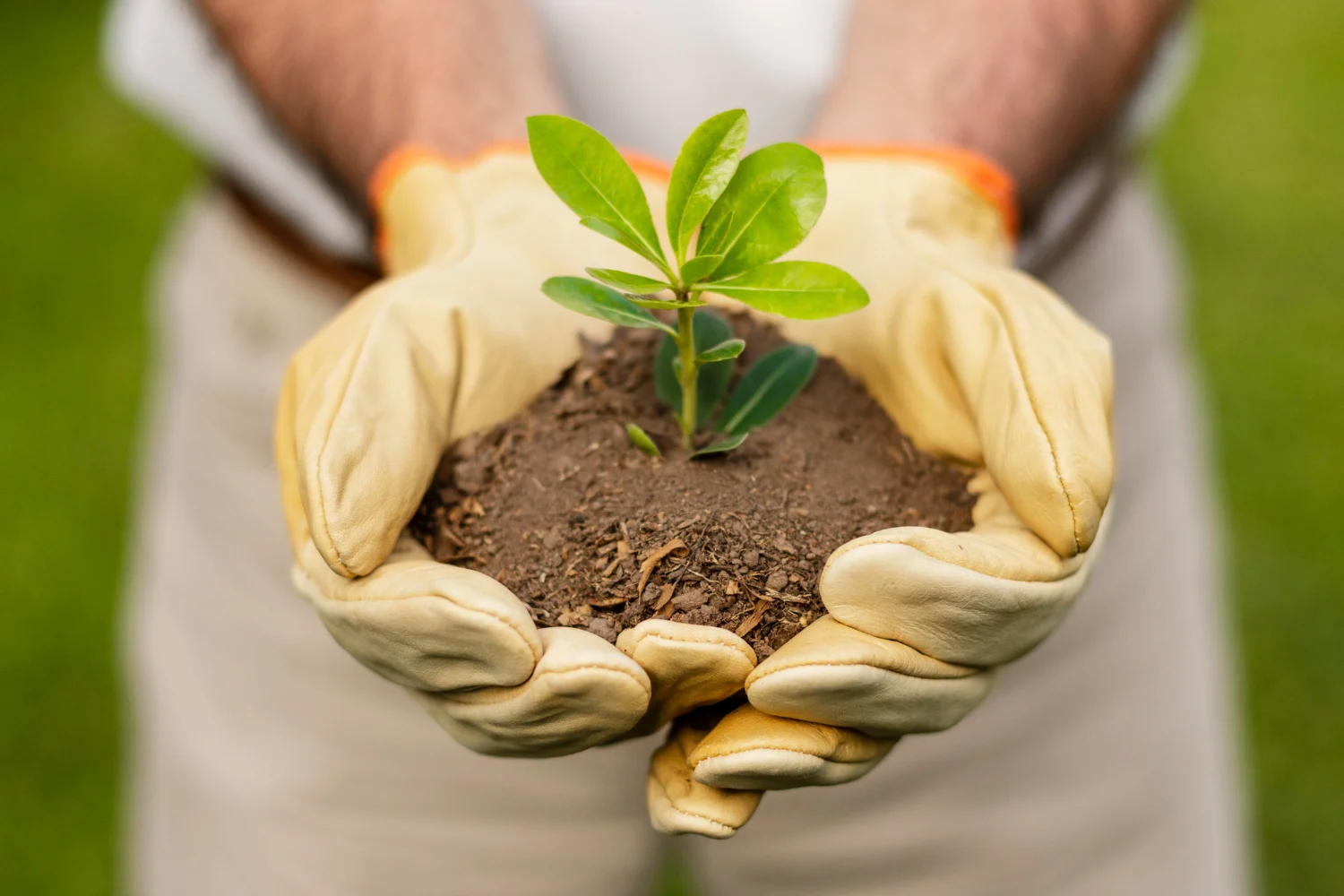
As global agriculture faces increasing pressure to produce more food while protecting the environment, eco-friendly fertilizer practices have become essential. Excessive use of chemical fertilizers has led to soil degradation, water pollution, and declining farm productivity.
To overcome these challenges, farmers are now adopting sustainable agriculture practices that focus on environmental protection and long-term soil health.
This blog explores eco-friendly fertilizer practices, their benefits, and how they support sustainable agriculture.
Eco-friendly fertilizers are natural or biologically derived inputs that improve plant nutrition without harming the environment. These fertilizers work with natural soil processes to enhance fertility, microbial activity, and nutrient availability.
Traditional fertilizer practices often cause:
Eco-friendly fertilizer practices help restore soil balance, reduce pollution, and promote long-term agricultural sustainability.
Organic fertilizers such as farmyard manure, compost, and vermicompost improve soil structure, increase organic matter, and enhance nutrient retention.
Biofertilizers contain beneficial microorganisms that:
They are vital for organic farming and sustainable crop production.
Green manure crops like legumes enrich soil by:
This practice reduces dependency on chemical fertilizers.
Integrated Nutrient Management combines organic, biological, and chemical fertilizers in balanced proportions to maintain soil fertility and crop productivity.
Using precision agriculture techniques ensures fertilizers are applied in the right amount, at the right time, and at the right place, reducing nutrient loss and environmental damage.
Sustainable agriculture aims to meet present food needs without compromising future generations. Eco-friendly fertilizer practices support this goal by:
However, with proper training and government support, these challenges can be effectively managed.
Modern farming has long relied on chemical fertilizers to boost crop production. However, excessive use has caused soil degradation, water pollution, and reduced soil fertility.
Organic fertilizers are derived from natural sources such as plant residues, animal waste, and composted materials. They improve soil fertility by increasing organic matter and microbial activity.
Chemical fertilizers are synthetic fertilizers that supply nutrients like nitrogen, phosphorus, and potassium in highly concentrated forms. While they provide quick results, long-term use often harms soil health and the environment.
For sustainable agriculture, organic fertilizers are the better option. They maintain long-term soil fertility, reduce environmental damage, and support beneficial microorganisms essential for healthy crops.
To balance productivity and environmental safety, farmers are increasingly adopting Integrated Nutrient Management.
Integrated Nutrient Management is a strategy that optimizes the use of all available nutrient sources to improve soil fertility and crop yield while minimizing environmental harm.
Biofertilizers improve nutrient availability through natural processes like nitrogen fixation and phosphorus solubilization.
Used in limited and balanced amounts to meet immediate crop nutrient demands.
With growing emphasis on climate-smart agriculture, organic farming, and soil conservation, eco-friendly fertilizers are expected to dominate future farming systems.
Eco-friendly fertilizer practices are the foundation of sustainable agriculture. By adopting natural and biological nutrient sources, farmers can improve soil health, increase crop yield, and protect the environment.
These practices ensure long-term agricultural success while preserving natural resources for future generations.
We make it our business to advance your business. Get in touch to find out more.
ANBR ELIXIR PVT LTD
PLOT NO. 5144, NEAR PRIME INDUSTRIES, SEVEN WATER TANK ROAD,
NEAR PARAS CHOWKDI, G.I.D.C. INDUSTRIAL ESTATE,
ANKLESHWAR – 393 002.
DIST. BHARUCH, GUJARAT
ANBR ELIXIR PRIVATE LIMITED
Plot No. 10008-3, Near BEIL,
GIDC, Ankleshwar,
Dist :-Bharuch, 393002, Gujarat



 January 13, 2026