






 March 9, 2026
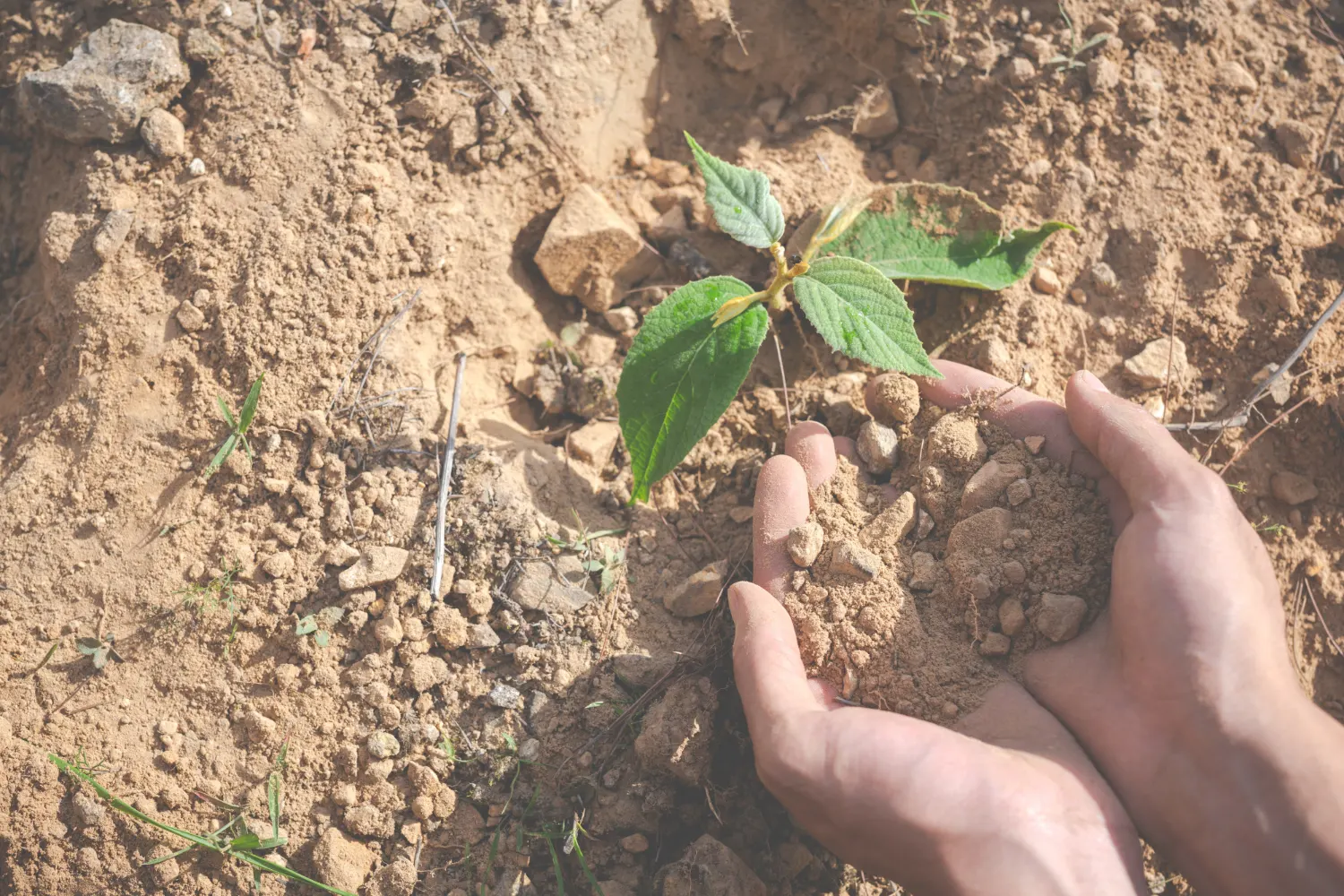
Soil fertility is the foundation of successful agriculture. Healthy soil provides essential nutrients, supports strong plant growth, and improves crop productivity. However, years of excessive chemical fertilizer use, improper farming practices, and environmental changes have led to declining soil health in many agricultural regions.
Sustainable agriculture focuses on maintaining long-term soil productivity while protecting the environment. One of the best ways to achieve this is by improving soil fertility through natural and organic methods. These practices not only enhance soil health but also reduce dependence on synthetic fertilizers and promote sustainable farming.
Soil fertility refers to the soil’s ability to supply essential nutrients to plants in the right amounts. Fertile soil contains balanced nutrients, organic matter, beneficial microorganisms, and proper structure that allows roots to grow effectively.
When soil fertility declines, crops struggle to grow properly, leading to lower yields and poor-quality produce. By maintaining soil fertility naturally, farmers can ensure long-term productivity and environmental sustainability.
Composting is one of the most effective organic methods to improve soil fertility. It involves recycling organic waste such as crop residues, vegetable scraps, leaves, and animal manure into nutrient-rich compost.
Compost adds organic matter to the soil, which improves soil structure, increases water retention, and provides essential nutrients to plants.
Crop rotation is the practice of growing different crops in the same field in sequential seasons. Different crops require different nutrients and contribute to soil health in unique ways.
For example, legumes such as beans and peas can fix nitrogen in the soil, which benefits the crops that follow. Rotating crops helps prevent nutrient depletion and reduces the risk of pests and diseases.
Green manure involves growing specific crops and then incorporating them into the soil while they are still green. These crops decompose and add valuable nutrients and organic matter to the soil.
Common green manure crops include clover, alfalfa, and legumes. They enrich the soil naturally and improve its fertility for future crops.
Mulching is the practice of covering the soil surface with organic materials such as straw, dry leaves, grass clippings, or crop residues. This protective layer helps conserve moisture, regulate soil temperature, and prevent soil erosion.
As organic mulch decomposes, it adds nutrients to the soil and improves soil fertility over time.
Organic fertilizers are derived from natural sources such as animal manure, compost, bone meal, and plant-based materials. Unlike chemical fertilizers, organic fertilizers release nutrients slowly and improve soil structure.
They also support beneficial microorganisms that play a crucial role in nutrient cycling and soil health.
Using organic methods to improve soil fertility offers long-term advantages for farmers and the environment. These practices help maintain soil productivity for future generations while reducing the negative effects of chemical farming.
Sustainable agriculture depends on healthy and fertile soil. By adopting organic methods such as composting, crop rotation, green manure, mulching, and natural fertilizers, farmers can significantly improve soil fertility without harming the environment.
These practices not only increase crop productivity but also support long-term agricultural sustainability. As more farmers shift toward eco-friendly farming methods, improving soil fertility naturally will play a crucial role in building a resilient and productive agricultural system.
We make it our business to advance your business. Get in touch to find out more.
ANBR ELIXIR PVT LTD
PLOT NO. 5144, NEAR PRIME INDUSTRIES, SEVEN WATER TANK ROAD,
NEAR PARAS CHOWKDI, G.I.D.C. INDUSTRIAL ESTATE,
ANKLESHWAR – 393 002.
DIST. BHARUCH, GUJARAT
ANBR ELIXIR PRIVATE LIMITED
Plot No. 10008-3, Near BEIL,
GIDC, Ankleshwar,
Dist :-Bharuch, 393002, Gujarat